
Ingrown Hairs & Shaving Bumps
Ingrown hairs are usually a hair-removal problem rather than a skin problem. Change how the hair is removed and the cycle generally changes with it.
Understanding ingrown hairs
An ingrown hair occurs when a hair curls back or grows sideways into the skin instead of emerging through the follicle opening. The body treats it as an irritant, so the area becomes red, raised and sometimes tender.
Shaving, waxing, epilating and plucking all encourage it, for slightly different reasons. Shaving leaves a sharp, angled tip that can pierce the follicle wall. Waxing and plucking can break the hair below the surface or distort the follicle over time. Coarse, curly or dense hair is more prone to it, and so are areas that experience friction from clothing.
Recurring ingrowns often bring their own aftermath: darker marks where the inflammation has settled, and a persistent bumpy texture. Both usually improve once the underlying cycle of irritation stops.
Not sure whether the bumps you are seeing relate to shaving and ingrown hairs or to breakouts? Compare with acne & breakouts
What you may notice
Raised, tender bumps
Often appearing a few days after shaving or waxing, in the same spots each time.
A visible trapped hair
A dark hair looping or curling just beneath the surface of the skin.
Bikini-line irritation
One of the most common areas, made worse by friction and tight clothing.
Razor bumps after shaving
Clusters of small inflamed bumps that settle then return with the next shave.
Darker marks left behind
Post-inflammatory pigmentation where repeated ingrowns have healed.
Persistent rough texture
Legs or underarms that never feel completely smooth, even freshly shaved.
Soraya's approach to recurring ingrown hairs
Treating individual bumps does little if the hair-removal method that caused them stays the same. We look at the cycle rather than the symptom.
Work out what is driving them
Your therapist will ask how you currently remove hair, how often, which areas are affected and how your skin reacts afterwards.
Stop the irritation cycle
Reducing how often the hair is cut, pulled or broken at the surface is usually what makes the biggest long-term difference.
Calm and support the skin
Inflamed, congested skin around the follicle needs settling before anything else, and appropriate homecare helps keep the area clear.
Address the marks separately
Darker marks left by past ingrowns are pigmentation, and they are treated as their own concern once the ingrowns themselves are under control.
Options your therapist may discuss
The right pathway depends on the area, your hair and skin type, and how you currently remove hair.
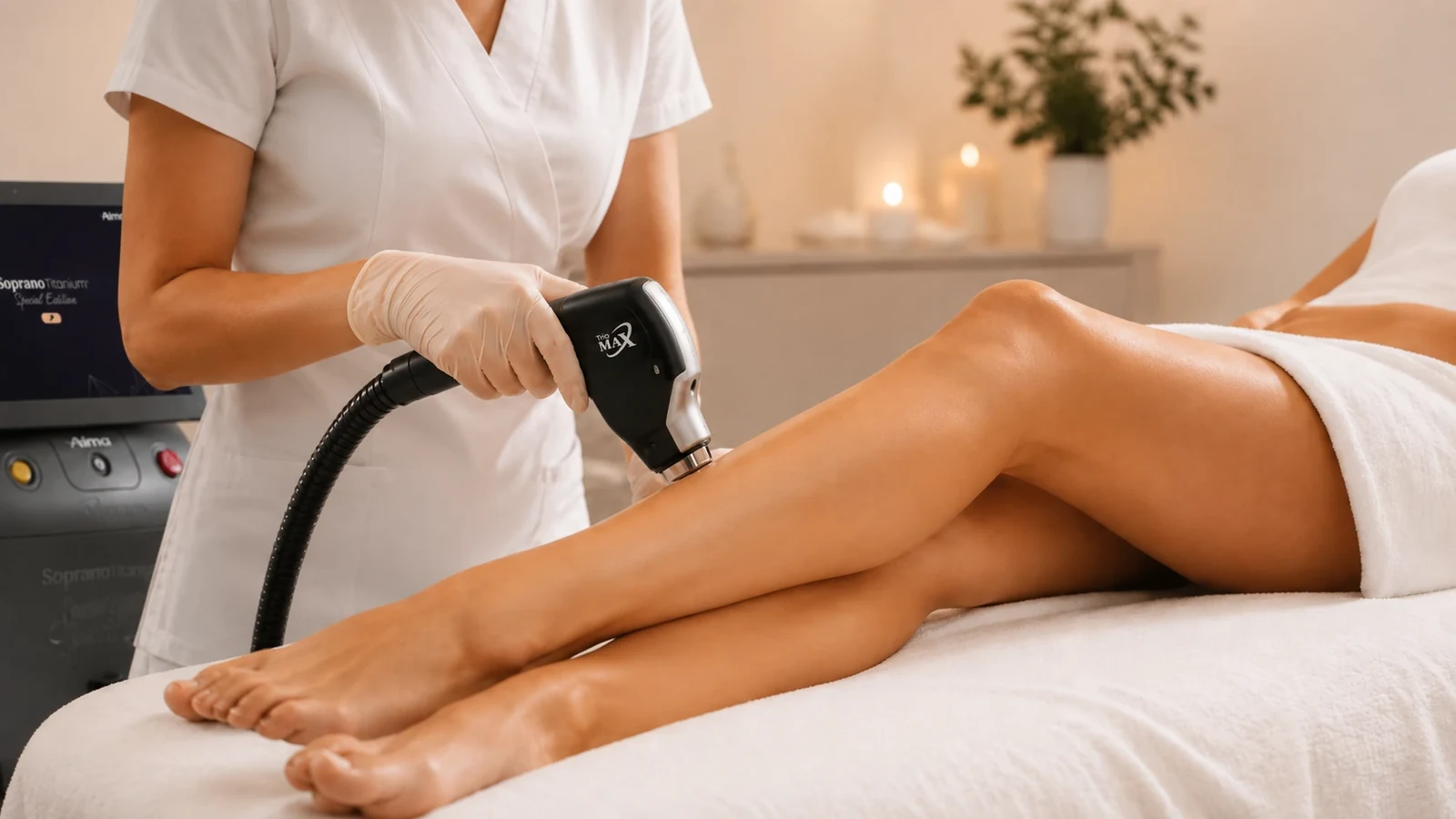
Alma Soprano Laser Hair Removal
Reducing how much hair grows in the area is the most effective way to break a recurring ingrown cycle, particularly on the bikini line, legs and underarms.
Learn about Alma Soprano Laser Hair RemovalProfessional Body Treatments
Regular professional exfoliation and decongesting treatment helps keep follicle openings clear while the area settles.
Learn about Professional Body TreatmentsProfessional Homecare
Appropriate exfoliating and calming homecare between appointments reduces how often ingrowns form in the first place.
Learn about Professional HomecarePigmentation Support
Where old ingrowns have left darker marks, those marks are assessed and treated as pigmentation.
Learn about Pigmentation SupportTreating this as a course? See hair removal pricing & packages.
Which option is right for me?
Your therapist will weigh:
- Which areas are affected and how often ingrowns appear
- Your current hair-removal method and frequency
- Hair colour, thickness and density
- Skin tone and sensitivity
- Whether darker marks have been left behind
- Whether you want reduction in the area or ongoing management
Frequently Asked Questions
Related skin concerns
Acne & Breakouts
Active breakouts, congestion and blackheads, assessed and treated based on what your skin is actually doing.
Pigmentation & Dark Spots
Sun spots, uneven tone and marks left behind. Pigmentation has several causes and no single treatment.
Large Pores & Uneven Texture
Visible pores, roughness and congestion that make the skin feel and look uneven rather than smooth.
The Pines Shopping Centre, 181 Reynolds Road, Doncaster East VIC 3109
Visit the Doncaster East clinic pageNot sure where to start?
Book a complimentary skin consultation and your therapist will assess your skin and talk you through the options that suit it.
Book a Free Consultation